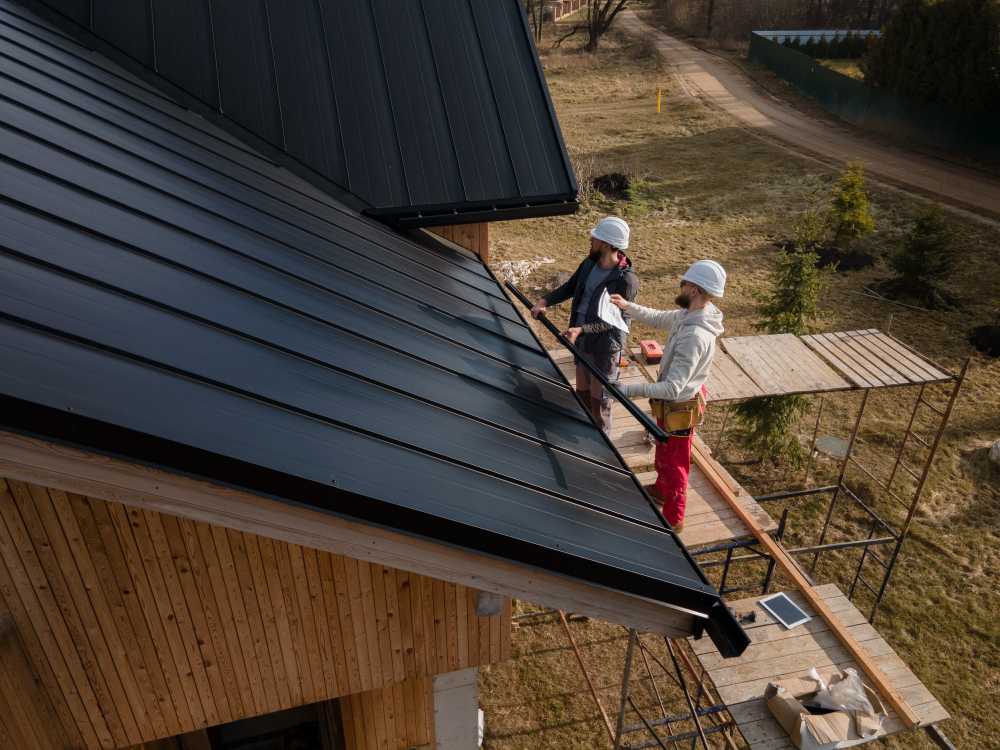

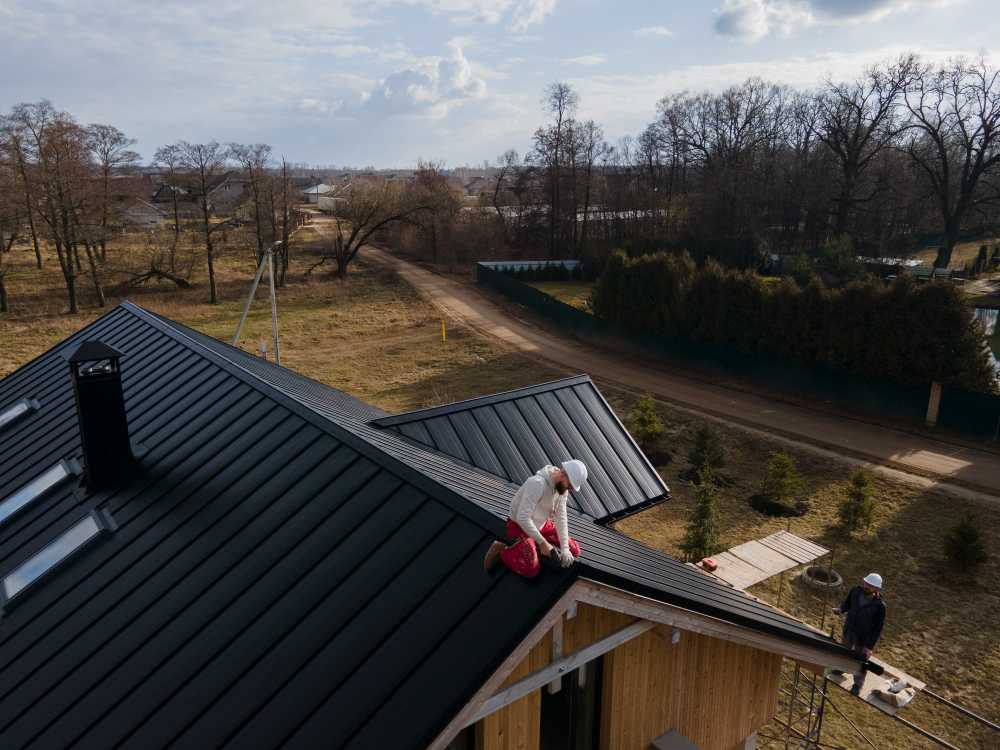
Louisville, Kentucky sits in a climate zone that delivers something different every season, and your roof takes the full impact of all of it. From summer hailstorms and high humidity to winter ice and freeze-thaw cycles, the demands placed on a residential roof in this part of the country are real and consistent. Understanding what each season does to your roofing system is the first step toward protecting it before minor wear turns into a costly repair or replacement.
Summer: Heat, Humidity, and Storm Season
Louisville summers are hot, humid, and punctuated by severe thunderstorms that can arrive quickly and leave significant damage behind. Extended heat exposure causes asphalt shingles to expand, dry out, and become brittle over time, accelerating granule loss and reducing the shingle's ability to shed water effectively. UV exposure breaks down the protective oils in roofing materials, shortening their useful lifespan even without a single storm event.
When summer storms do hit, the damage can be immediate. Hail is the most common culprit, leaving impact marks, cracking shingles, and denting metal flashing that compromises the roof's ability to keep water out. Straight-line winds can lift shingles, tear off ridge caps, and create vulnerabilities that are not always visible from the ground but allow water infiltration during every subsequent rain. After any significant summer storm, a professional inspection is the only reliable way to know what your roof actually looks like.
Fall: Wind, Debris, and the Start of Moisture Season
Fall in Louisville brings cooler temperatures and shifting wind patterns that can be surprisingly aggressive. Falling leaves and tree debris accumulate on the roof surface and in gutters, trapping moisture against shingles and in valleys where water needs to flow freely. Clogged gutters prevent proper drainage, causing water to back up under shingles at the roof edge and eventually find its way into the structure below.
Fall is also when the temperature begins to cycle above and below freezing on a regular basis. Any moisture that has worked its way under a cracked or lifted shingle during summer storm season will begin to freeze and expand at night and thaw during the day, a process that widens existing gaps and creates new ones quickly. Addressing minor issues in the fall, before winter arrives, is consistently more cost-effective than dealing with the consequences of ignoring them until spring.
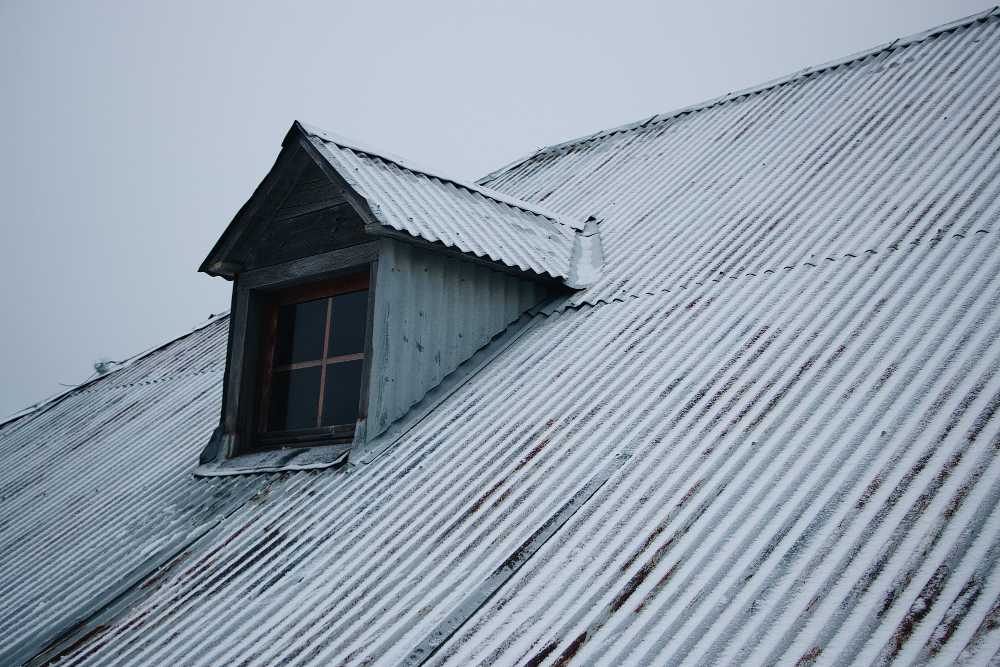
Winter: Ice Dams, Snow Load, and Freeze-Thaw Damage
Winter is when deferred maintenance becomes urgent. Louisville winters are not as severe as those in northern states, but they bring enough freezing temperatures, snow accumulation, and ice to cause significant roofing problems for homes that are not properly prepared.
Ice dams form when heat escaping from the living space warms the roof deck, melting snow on the upper portions of the roof. That water runs down toward the cold eaves, where it refreezes and builds up behind a dam of ice that forces water back under the shingles. The result is interior water damage that often appears as ceiling stains or wall leaks weeks after the ice dam formed. Proper attic insulation and ventilation are the most effective long-term defense against ice dams, and they start with making sure the roof system itself is in good condition heading into winter.
Snow load is a secondary concern, but Louisville homes do experience heavy, wet snowfalls that add significant weight to the roof structure over short periods. Combined with ice accumulation along the eaves, this places stress on gutters, fascia, and the roof deck itself that compounds over the course of a single winter season.
Spring: Water, Wind, and What Winter Left Behind
Spring is the season when winter's damage becomes visible. As temperatures rise and snow and ice melt, any vulnerabilities in the roofing system reveal themselves through leaks, staining, lifted shingles, or visible damage to flashing and ridge lines. Spring also brings its own share of severe weather, with the storm system that moves through the Ohio Valley bringing strong winds and hail in March, April, and May before summer's pattern sets in.
A professional spring roof inspection gives you a clear picture of what the winter left behind and what needs to be addressed before the next storm season begins. Catching a cracked shingle, a failed flashing seal, or a section of lifted ridge cap in the spring means a straightforward repair. Discovering the same issue after a summer storm has forced water through it for three months means a much more significant and expensive project.
What Louisville Homeowners Can Do
The most effective thing a Louisville homeowner can do for their roof is stay on a consistent inspection schedule. A professional inspection in the spring and again in the fall, combined with a visual check after any significant storm, gives you the information you need to address issues while they are still minor. It also gives you documentation of your roof's condition that can be valuable when working with insurance carriers after a storm event.
Beyond inspections, maintaining clear gutters, ensuring proper attic ventilation, and addressing small repairs promptly are the three habits that most consistently extend the life of a residential roof in Louisville's climate.
Origin Roofing & Exteriors provides roof inspections, storm damage assessments, and roof repair and replacement services across Louisville and the surrounding area. If you have not had your roof inspected recently, contact our team to schedule an assessment before the next season brings new demands.