
As the weather cools down across Kentucky, fall is one of the best times to get ahead of roof problems before winter weather arrives. A roof that goes into winter already weakened by summer storms or years of wear is far more likely to develop a leak once freezing temperatures and ice set in. A little attention now can save homeowners from an emergency call in January.
Why Fall Maintenance Matters So Much
Kentucky roofs go through a demanding cycle every year. Summer brings intense heat and sudden thunderstorms, and that stress tends to show up as small, easy-to-miss problems by the time fall arrives. Left unaddressed, those same small issues get worse once temperatures drop and moisture starts freezing and expanding inside cracks and gaps.
Taking care of maintenance in October and November, before the first hard freeze, gives you a window to fix problems while the weather still cooperates with roofing work.
Clear Your Gutters Before Leaves Pile Up
Falling leaves are one of the most predictable fall maintenance headaches. Clogged gutters cause water to back up under the roof edge instead of draining away, which can lead to rot along the fascia and, in cold snaps, ice forming right where you don't want it.
Clearing gutters once the bulk of the leaves have fallen, and checking that downspouts are directing water well away from the foundation, is one of the simplest things a homeowner can do to prevent bigger problems later.
Check for Summer Storm Damage You Might Have Missed
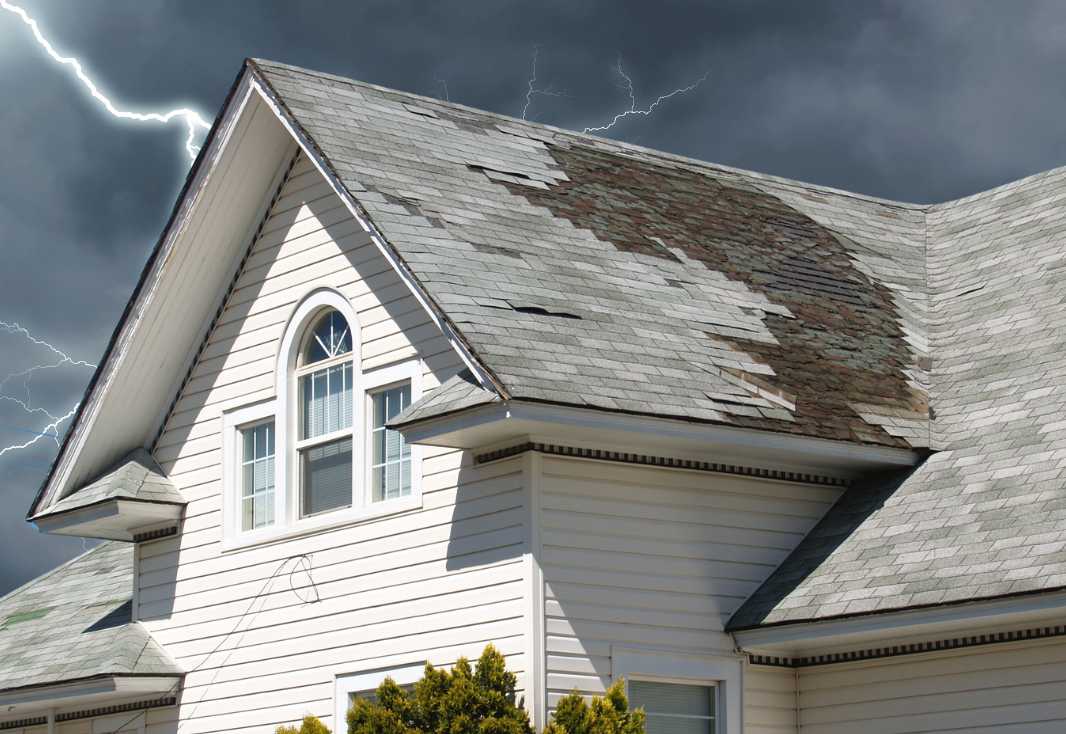
Kentucky summers bring their share of severe weather, and not every bit of storm damage announces itself right away. A few missing granules, a slightly lifted shingle, or minor flashing damage can sit quietly for months before becoming a leak.
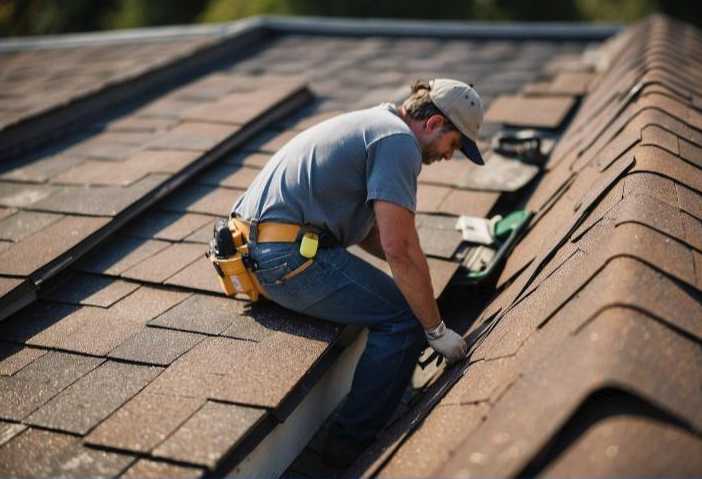
Fall is a good time for a professional roof inspection to catch anything that summer storms left behind before winter weather makes it worse.
Trim Back Overhanging Branches
Branches that hang over the roof do more than drop leaves into your gutters. They can scrape shingles during windy weather, and a heavy, ice-covered limb is a real risk during a winter storm. Trimming back branches before winter reduces both of these risks at once.
Look for Early Signs of Trouble
- Shingles that are curling, cracked, or missing
- Granules collecting in gutters or at the base of downspouts
- Water stains on ceilings or in the attic
- Flashing that looks loose around chimneys or vents
- Daylight visible through the attic roof boards
Any of these are worth a closer look before winter arrives. Problems caught in the fall are almost always less expensive to fix than the same problem discovered mid-winter during a cold snap.
Check Your Attic Ventilation
Proper attic ventilation plays a bigger role in winter roof health than many homeowners realize. Poor ventilation can trap warm air against the underside of the roof deck, which contributes to uneven snow melt and ice dam formation along the eaves once temperatures drop.
If your attic feels unusually warm or humid, or if you've dealt with ice dams in past winters, it's worth having your ventilation checked as part of a fall roof inspection.
Inspect Seals Around Chimneys and Vents
Flashing and sealant around chimneys, vent pipes, and skylights take a beating from summer heat, and by fall the caulking and seals in these areas are often drying out or pulling away. These small points are some of the most common places for a roof to start leaking, precisely because they're easy to overlook during a quick visual check.
A close look at these areas, or having a professional check them as part of a fall inspection, can catch a failing seal before it turns into a winter leak.
Don't Forget the Gutters' Downstream Path
Clearing the gutters themselves is only half the job. It's also worth checking that downspout extensions are still in place and directing water well away from your foundation, since a disconnected extension can send runoff right back toward your home instead of away from it.
When a Repair Can't Wait Until Spring
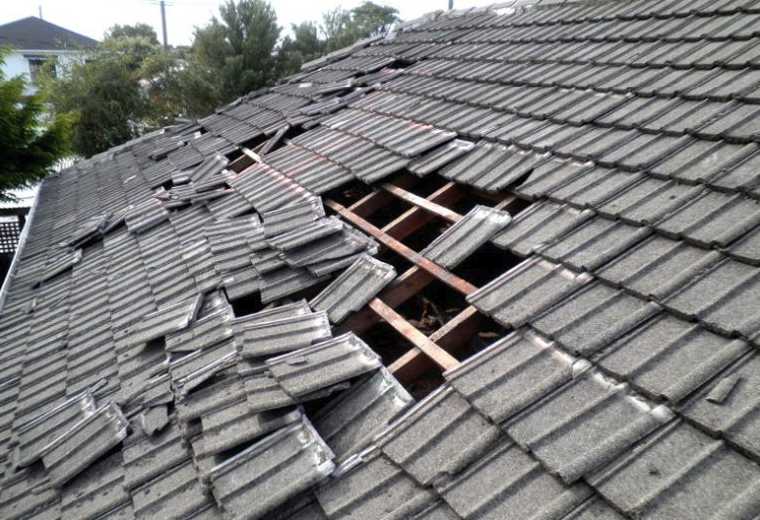
Some issues are better addressed right away rather than waiting. Active leaks, significant storm damage, or shingles that are visibly failing across large sections of the roof shouldn't sit through an entire winter untreated. A roof repair completed in the fall is far easier to schedule and complete than one attempted in freezing conditions.
A Little Fall Attention Goes a Long Way
None of these fall maintenance steps require a major investment of time, but together they can meaningfully reduce the odds of an emergency roof call during the coldest part of the year. If your roof is getting older or you're not sure what shape it's in heading into winter, a professional inspection is the clearest way to find out.
Origin Roofing & Exteriors provides fall roof inspections and repairs for homeowners throughout Kentucky and Indiana. Contact us to schedule yours before winter arrives.