
I recently had a roof replacement with Origin Roofing & Exteriors in Louisville, KY. My old roof was showing wear after winter storms, and the new roof has already improved protection for my home. With a proper inspection and installation done in early spring, I learned that a new roof can last 20 to 30 years, depending on materials and maintenance.
How Did I Notice My Roof Needed Replacement?
I live in a brick home in Louisville, and after this past winter, I started noticing a few shingles curling and some granules had washed off in the gutters. The snow and ice had been heavy this year, and the spring rains made it easier to see spots of moisture forming in the attic.
I realized it was probably time to reach out to residential roofing contractors. Addressing these signs early helps prevent further water damage and allows the roof area to dry properly. In Louisville, winter and spring weather can really accelerate shingle wear, so even minor curling can indicate that a roof is nearing the end of its useful life.
What Happened During the Roof Replacement?
Origin Roofing & Exteriors started with a thorough inspection of my roof. They checked shingles, flashing, underlayment, and the overall structure of the roof deck. I was surprised at how much they looked at, including areas I didn’t even notice from the ground. They also assessed gutters and minor wear around vents.
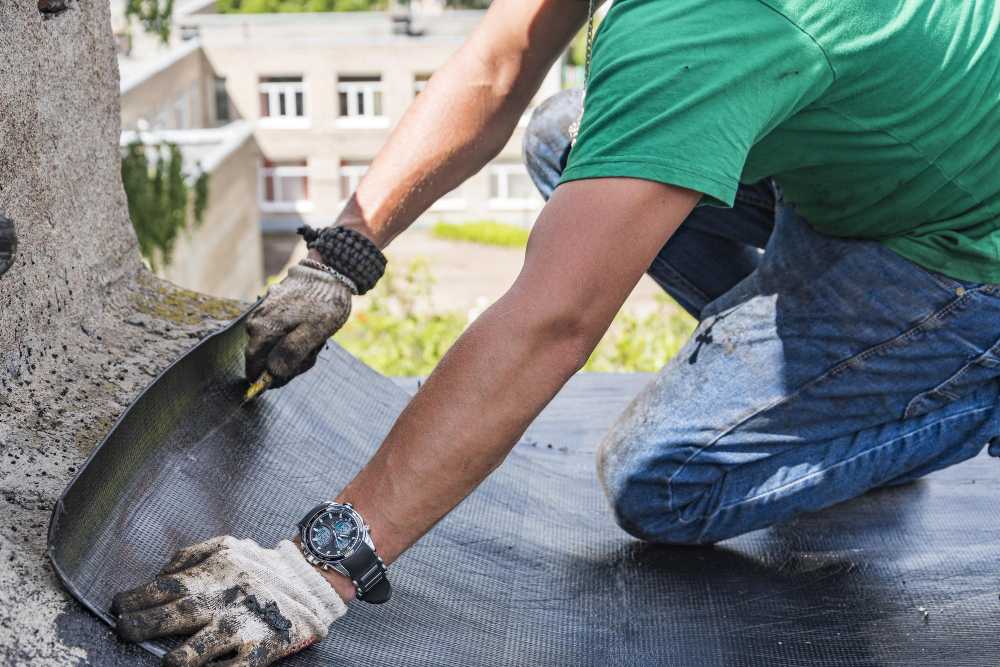
Once the inspection was complete, they scheduled the replacement for early spring. The timing helped because the weather was milder than winter, which meant fewer disruptions from snow or ice. The old shingles were removed carefully, and any damaged underlayment was replaced. I learned that proper tear-off is just as important as installing the new shingles, because it prevents moisture from being trapped underneath.
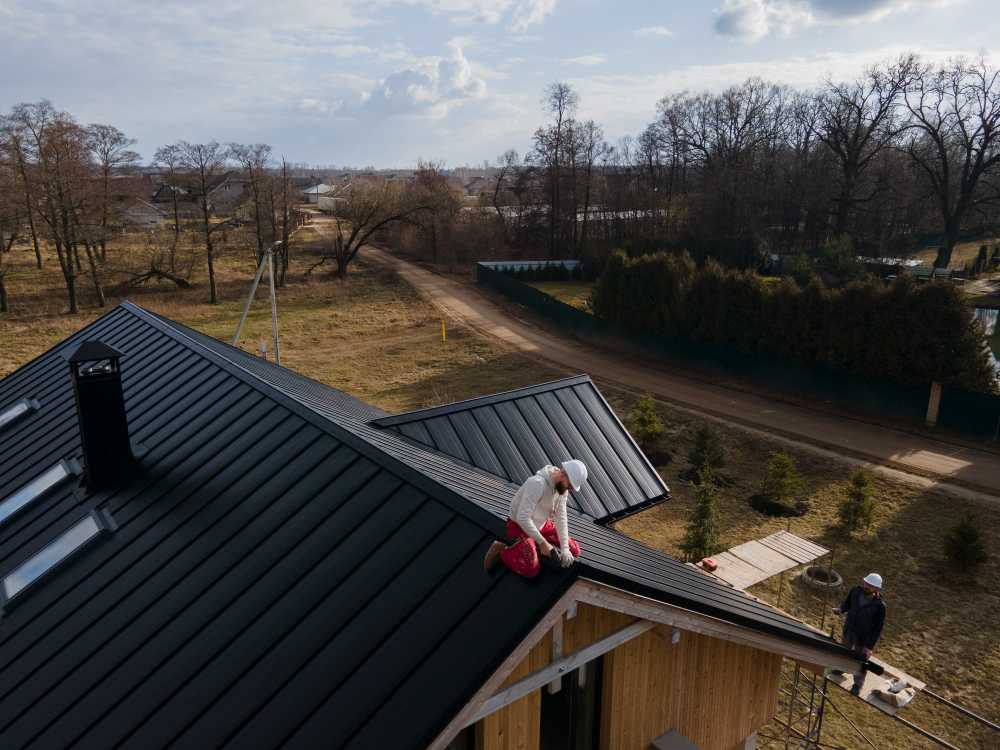
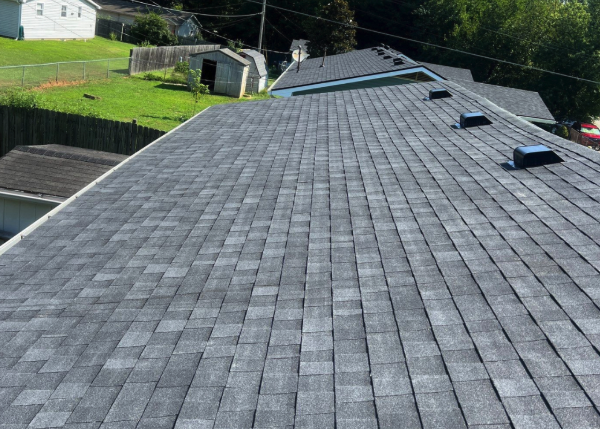
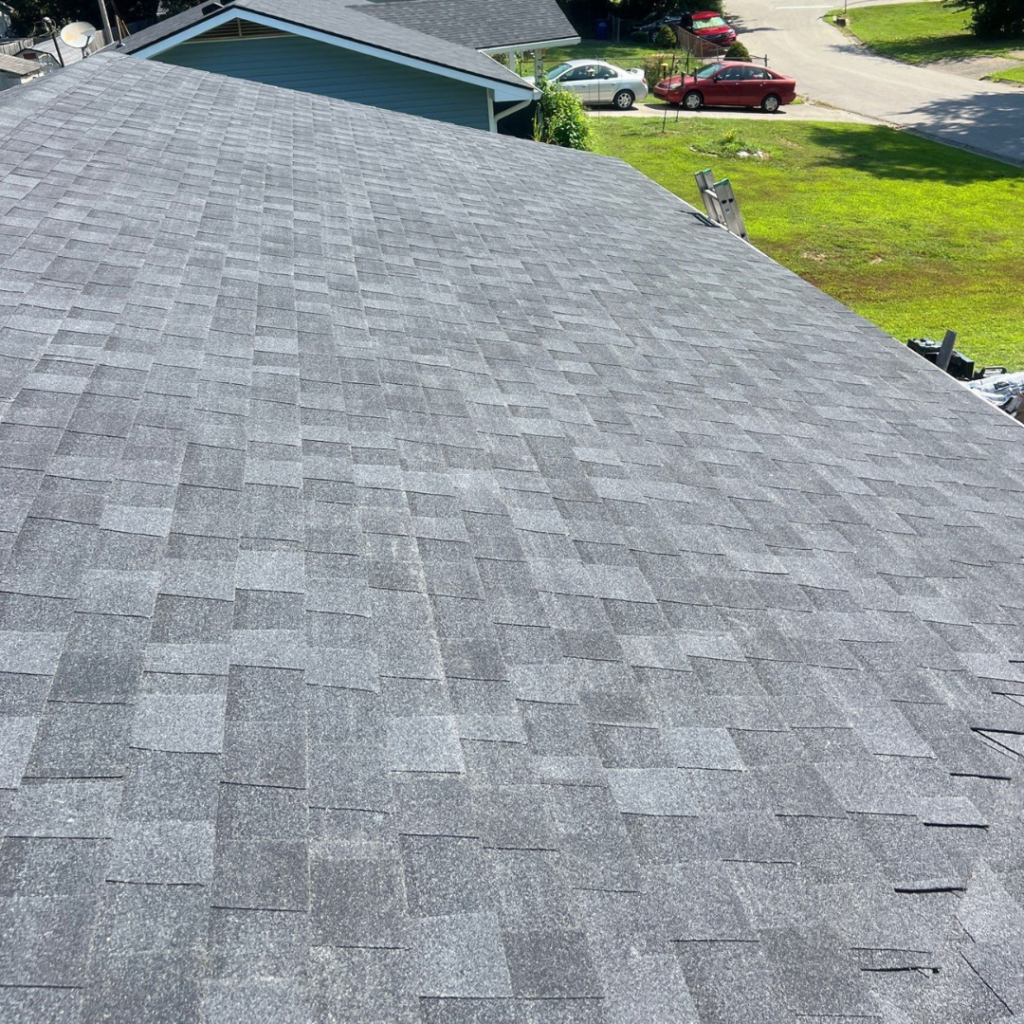
They installed asphalt shingles designed for Louisville’s climate, taking into account seasonal temperature swings and spring rains. The crew also fixed minor issues with flashing around vents and chimneys, which I didn’t realize could affect roof longevity. The whole job took about three days, from tear-off to final cleanup, and the roof looked even and secure when it was finished.
During the replacement, I noticed they paid attention to areas where snow could accumulate and cause ice dams. Early spring is a good time for roof work in Louisville because it allows time for any leftover winter damage to be addressed before summer storms or heat stress on shingles.
How Much Did It Take?
In Louisville, a roof replacement for a typical residential home usually ranges from $6,000 to $12,000. The cost depends on the materials you choose, the pitch of the roof, and how accessible the property is. For my house, which is a two-story brick home with a medium pitch, it landed closer to the middle of that range.
The timing in early spring helped with scheduling and minimized delays, though weather can still be a factor. Spring rains occasionally slowed down parts of the work, but the crew adjusted quickly. The job took about three days total, which I thought was reasonable given the removal of the old roof and the replacement process.
I also learned that doing a roof replacement in Louisville at this time of year is practical because the mild weather reduces the risk of shingle damage during installation, compared with the extreme cold of winter or the intense heat of summer.
Can I Extend the Life of My Roof?
In some cases, minor issues can be addressed temporarily, but professional service is usually recommended to prevent further damage and make sure everything is secure. Simple maintenance like clearing debris from gutters, trimming nearby trees, and checking shingles after storms helps extend the life of a roof.
Does Roof Material Affect Longevity?
Yes. Asphalt shingles typically last 20 to 30 years, while metal or tile roofs can last longer but have different maintenance requirements. I chose asphalt because it fits well with the style of my home and Louisville’s climate. It’s helpful to know the expected lifespan so you can plan inspections and repairs in advance.
How Often Should I Inspect My Roof?
Twice a year works well for me, usually after winter and again at the end of summer. Checking shingles, flashing, and gutters helps catch small issues before they grow. I also try to inspect after any significant storms, as Louisville can get sudden heavy rain or wind that may affect roofing.
Why Choose Origin Roofing & Exteriors in Louisville, KY
Their experience with Louisville homes stood out to me. They understand local weather patterns, seasonal challenges, and common wear points on roofs here. The team handled my roof replacement efficiently, and they also noted small repairs around flashing and gutters that added to the overall protection of my home.
I appreciated that they included inspection and repair services along the way. Their practical approach made it easy to address everything at once, rather than discovering new issues after the installation. For anyone looking at residential roofing in Louisville, having a team familiar with the local area is helpful.
Getting Your Roof Replacement Done in Louisville
After having a roof replacement completed this spring, I feel confident that my home is better protected. I also learned how much local conditions, like winter snow and spring rains, affect roof longevity. Addressing issues promptly with professional roofing contractors prevents water damage and helps the roof last longer.
If you are considering residential roofing in Louisville, KY, now is a good time to schedule your replacement before heavier weather hits. Contact Origin Roofing & Exteriors to get an instant estimate and plan your roof replacement. Scheduling early gives your home protection through the next season and helps maintain the integrity of your property.